Should You Travel Internationally During COVID? Visiting Hawaii in 2022

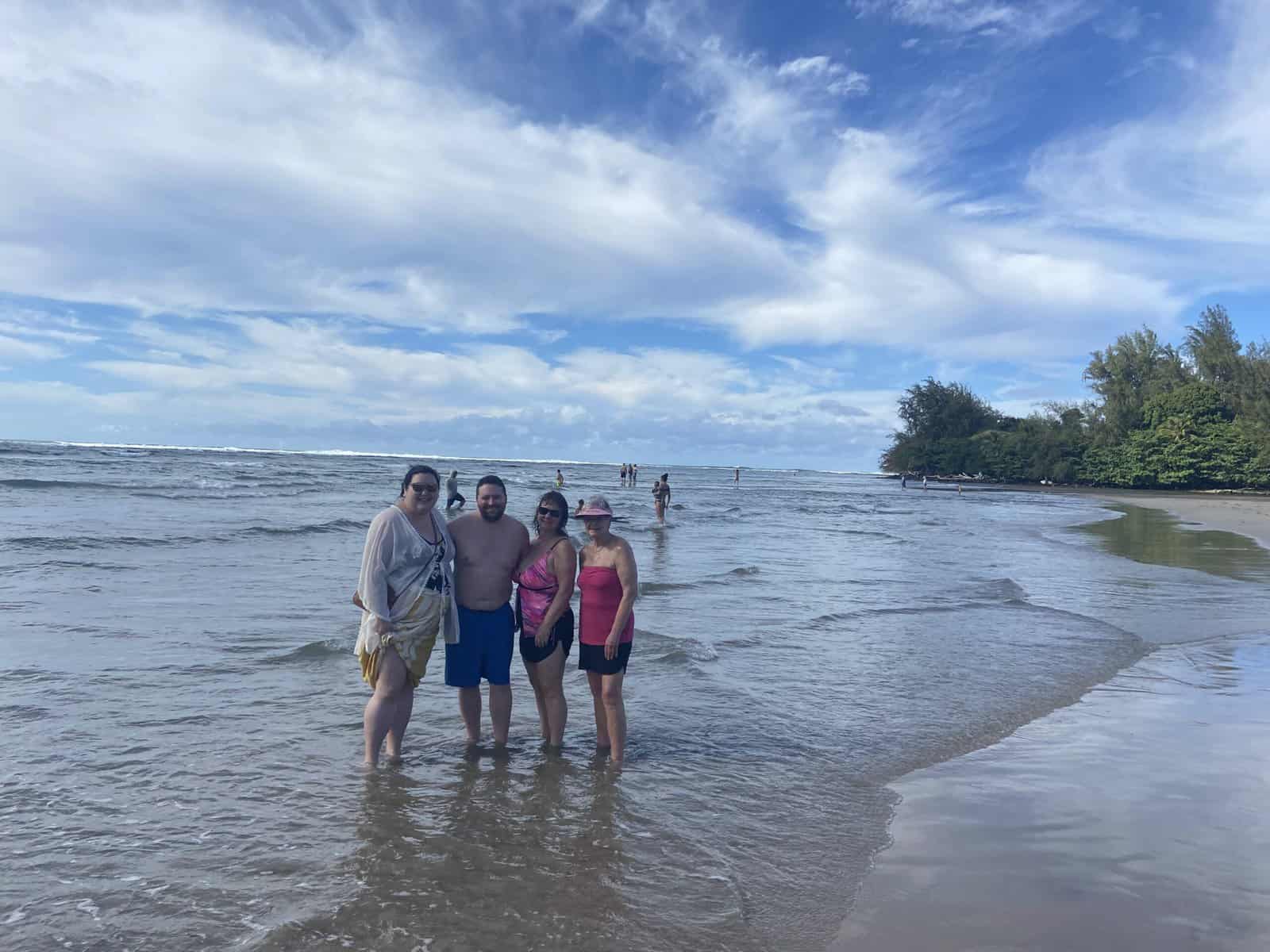
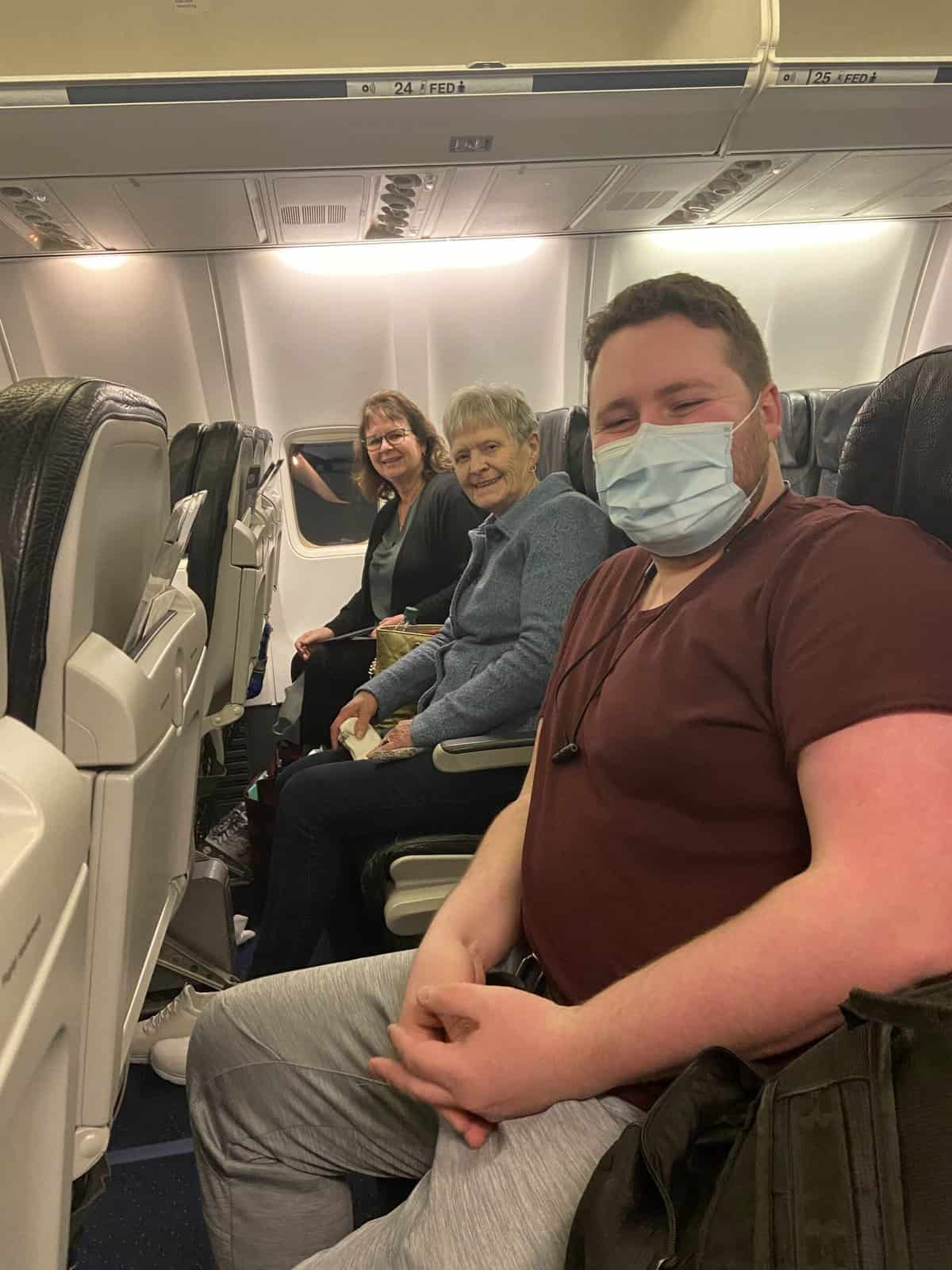
In January 2022, three family members and I travelled from Vancouver, Canada to Kauai, Hawaii for one week. Deciding to travel internationally during COVID was not an easy decision, and one we went back and forth on quite a few times. In the end, we did decide to go and, for the most part, the trip was smooth sailing.
I’ll share more about our time in Kauai in future blog posts but for now, I wanted to walk through our decision to go. Travelling internationally during COVID isn’t easy. It’s expensive, time-consuming, and the rug can be pulled out from underneath you at any second. And yet, we decided it was worth it.
If you’re thinking about travelling during COVID or visiting Hawaii specifically, check out our decision process below. I hope it helps you make the right choice for yourself, your travelling companions and the community you’ll be visiting.
Note: This post was written in February 2022 and reflects my current thoughts and knowledge at the time. These are my own opinions and should not be taken as medical advice.
Should you travel to Hawaii during COVID-19? Should you travel internationally during COVID?
There is no one right answer to this question. Every traveller has to make their own decision that’s right for them given the information they have in the moment.
I think it’s important to admit that travelling, as much as it can be a lifestyle, career or really important hobby, is also a privilege. I am privileged to be fully vaccinated, to have the means to travel internationally, to not have to worry about access to healthcare, to be able to get insurance to cover my trip, and to even consider travelling in the current state of the world. Not everyone has those privileges.
I truly hope we get to a place of global vaccine equity where everyone has the means and protections to travel and welcome visitors. I hope this virus is not with us forever and that we can learn how to safely live with it while it is here.
If you’re debating an international trip right now, I know what that feels like. It’s not fun to add layers of guilt, difficulty and resistance to what should be a fun planning process. And while I can’t tell you whether you should or should not travel during COVID, I hope the below questions can help you make the best decision for you.


5 questions to ask yourself before travelling during COVID-19:
1. Are you allowed to travel internationally during COVID?
First things first: Can you travel? Before you get into the mental gymnastics of justifying a trip, check out the current rules to ensure you actually are allowed to travel from your home location to your travel destination of choice. Learn what testing, quarantine or other requirements are needed for your trip.
2. Are you vaccinated?
Hopefully it goes without saying: You should be as vaccinated as possible before travelling. This protects you and everyone around you. I’m incredibly pro-vax and not interested in a debate on the topic.
3. Can you stay safe and keep others safe?
Next, you want to consider your safety and the safety of the local community you’ll be visiting. Are you putting yourself at an increased risk by visiting an area with high rates of transmission or over-extended hospitals? Are you putting locals at risk by potentially bringing COVID into a community that doesn’t have the resources to vaccinate or take care of their population?
Ensuring the safety of the local community also means respecting their wishes. There was a period of time when local Hawaiian residents were asking visitors not to come to the islands. Do some research on the sentiment towards visitors and what you can do to respect the local community before you make your decision.
4. What type of travel will you be doing?
Obviously some types of travel are going to be more COVID-safe than others. If you’re travelling to a densely populated city where you plan to hang out indoors with large groups, that’s going to be much less safe than visiting a National Park where you’ll be hiking alone.
5. Can you get help and can you get home?
Worst case scenario: You get sick while you’re abroad. Are you able to access safe and affordable medical care at your destination? Do you have a plan for where you’ll quarantine if you have to? And if need be, how will you get home?
In my opinion, it helps to have insurance, funds and/or flexibility to answer this question! Think about the worst case scenario and have a plan for what you’ll do if something happens to you.
9 reasons we decided to travel to Hawaii during COVID
1. We booked our trip pre-Omicron
In our defence, we booked our trip to Hawaii on Nov 24, 2021. At that point, Omicron was not yet a Variant of Concern and we were still weeks away from Canada announcing a global Level 3 advisory (avoid non-essential travel) and any restrictions. When we booked our trip, case counts were low and things were looking good for international travel. Ah, how quick things can change!
If COVID has taught us anything, it’s that absolutely nothing is certain. I thought by booking our trip less than 60 days out, we’d be in the clear. But of course, Omicron changed all of that. After a week or two of excitedly planning our trip, we were thrown into weeks of uncertainty and panic.
2. We booked non-refundable accommodation
Unfortunately, by the time Omicron ramped up, we had already booked our flights, accommodation and car rental. Our car rental was fully refundable and we could likely get at least a credit with our airline, but our accommodation wasn’t as flexible. Hawaii is not a cheap place to stay! I did quite a bit of digging and was able to find us a deal on a timeshare rental website. And while we did save money compared to regular hotel and even Airbnb costs, it was still very expensive. And it came with a big downside: our payment was non-refundable.
I’d be lying if I said our non-refundable accommodation wasn’t a big reason why we decided to continue with our trip as planned. If we could have easily moved the whole trip a few weeks or months down the line at no cost, we would have. But sadly, that wasn’t an option.
3. We were comfortable with the rules for travelling to Hawaii during COVID
As noted above, you need to learn the rules of international travel during COVID and accept that those rules could change at any time. As soon as we booked our trip, I got straight into researching all of the rules and adjusted accordingly when the rules changed.
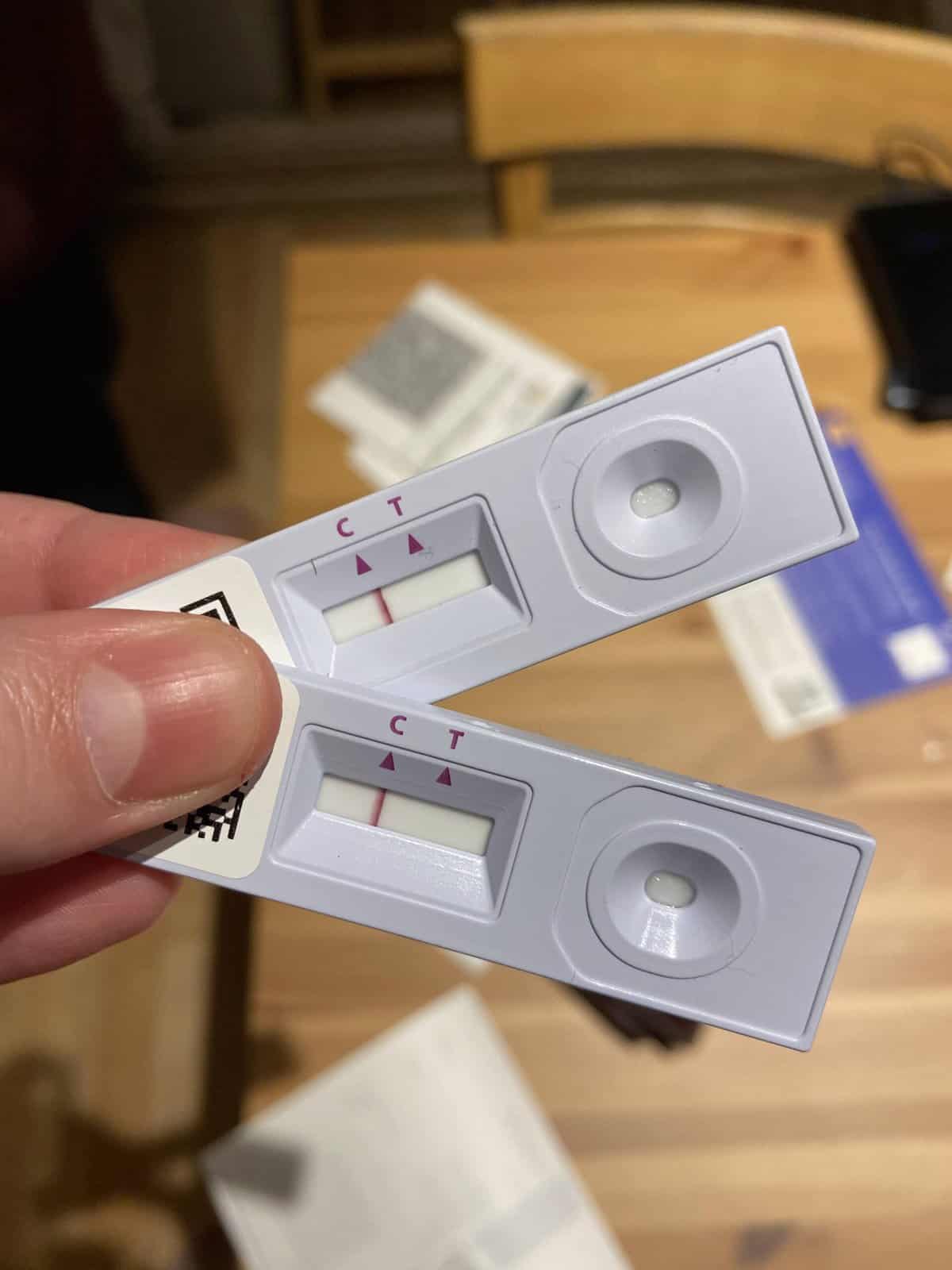
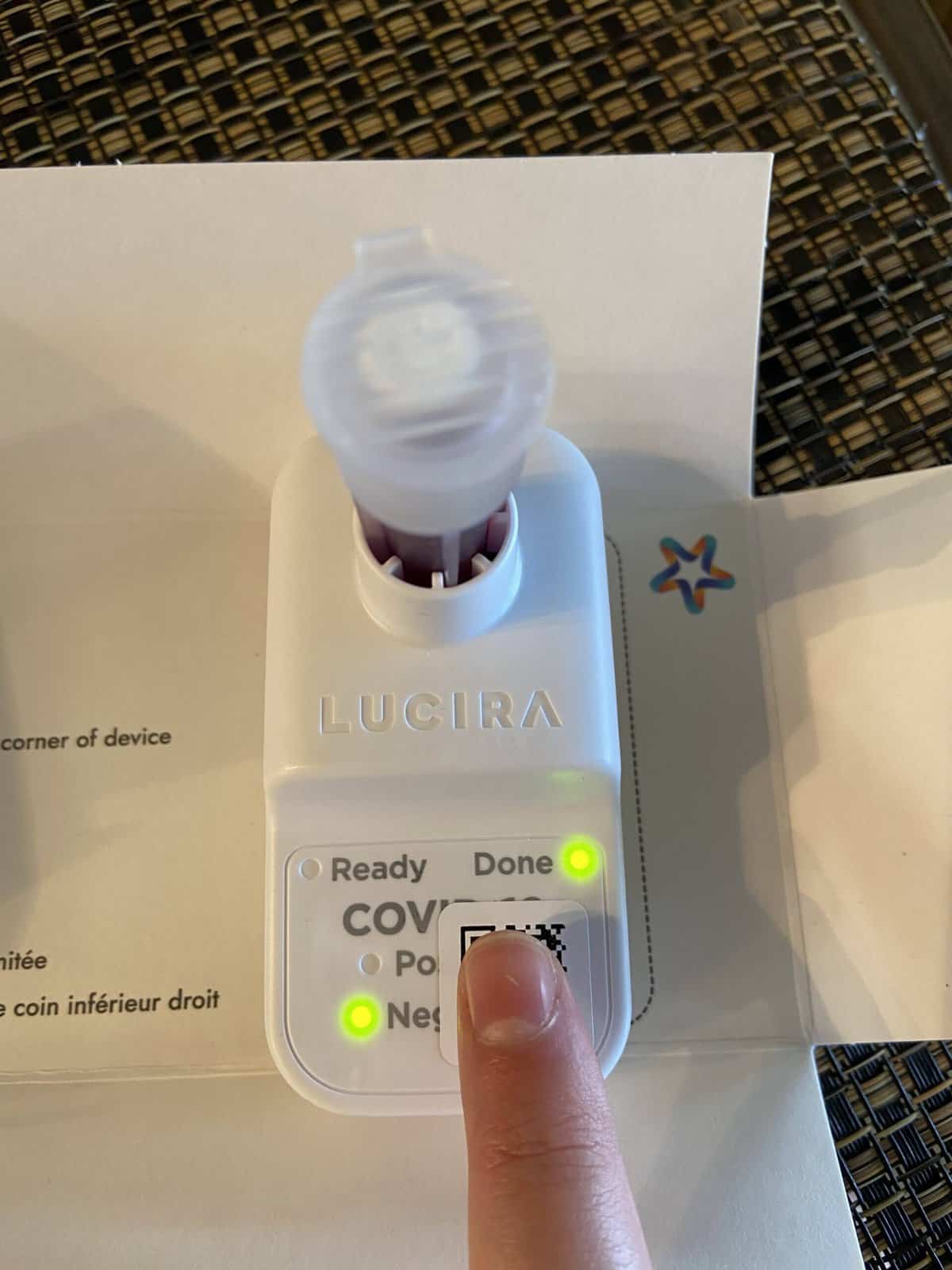
We decided to order at-home COVID tests for travel to Hawaii and back to Canada via Switch Health. To travel from Canada to the US, you need a negative rapid antigen test taken within a day of your flight and to travel back to Canada from the US, you need a negative LAMP, NAAT or PCR test taken within 72 hours of your flight. There are also apps (like SafeTravels and ArriveCAN) that you need to register with.
(Note: This info is current to the best of my knowledge as of Jan 2022. Please do your own research!)
At first, I had planned for us to get free PCR tests in Kauai but when the option I was looking at closed to non-US residents, we decided the at-home tests would be the easiest option. That way, we’d have the tests with us before we left and not have to worry about finding a testing place on the island.
Is it fun to research ever-changing rules, book and pay for expensive tests, and plan your travels around testing? Of course not! But that’s a reality of international travel during the COVID-19 pandemic.
Side note: One of our LAMP tests on the way back to Canada actually didn’t work and we did have to find a local PCR testing site in Kauai. Luckily, we had done research ahead of time to know where the testing sites were. We were able to walk in and do the test right away, and get it done for free!
4. We had travel insurance
One of my big worries about traveling to Hawaii during COVID was what would happen if we got sick or had to quarantine. I knew being vaccinated, we were at a low risk for serious illness, but it could happen or we could come down with a non-COVID medical issue.
Luckily, Manulife insurance saved the day (not sponsored). I found a great COVID-19 travel insurance policy that covered us if we had a medical emergency (due to COVID or not) and covered trip interruption. It was a huge relief to know we had a safety net should we get sick or need to stay in Hawaii for longer than planned.
5. We could quarantine if needed
With the travel insurance in place, I felt much more confident about our ability to quarantine if we did test positive for COVID in Hawaii and couldn’t come back home. Our insurance would cover some of the costs of accommodation and meals, as well as our new return flight home. With my laptop, I’d be able to work from the hotel room and Colin has a backlog of sick days at work. And very luckily for us, my mom was in Vancouver with our dog, Ellie, and would be able to keep watching her if we were delayed coming back.
6. We were sticking to ourselves
In our travel group of four we had me (fully vaccinated and had COVID in March 2021), and three others, all of whom are fully vaccinated and boosted. (Note: The only reason I wasn’t boosted yet was that I wasn’t eligible in my province. I became eligible during our trip and got boosted the day after our flight back to Vancouver.) I felt very good about our odds of staying safe.
Plus, we didn’t have plans to meet up with anyone on our trip. We planned to stick to ourselves and wear masks whenever we were near other people. In preparation for our trip, Colin and I stopped seeing people 10 days before our flight to ensure we’d be as safe as possible.

7. We were spending time outside
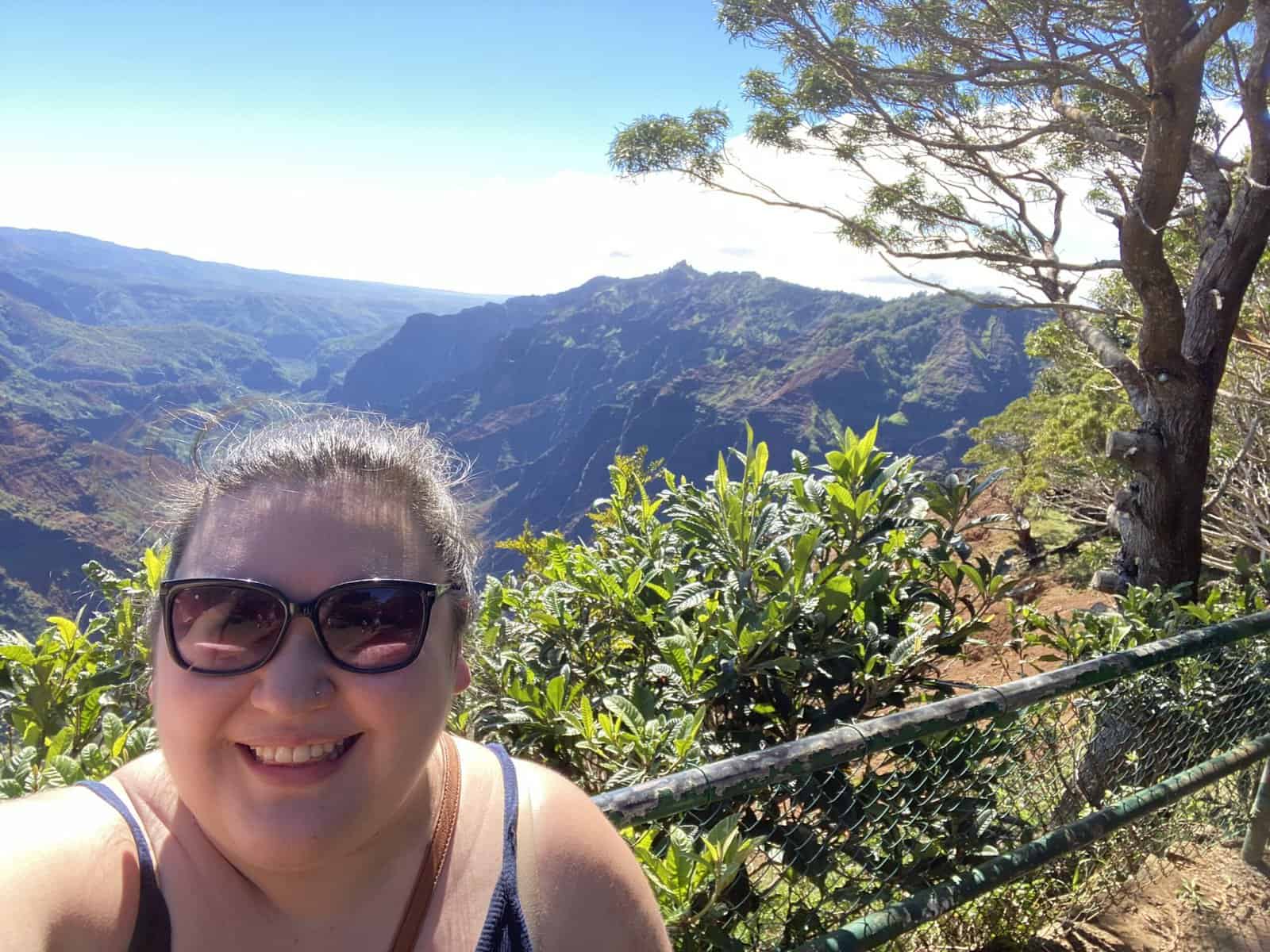
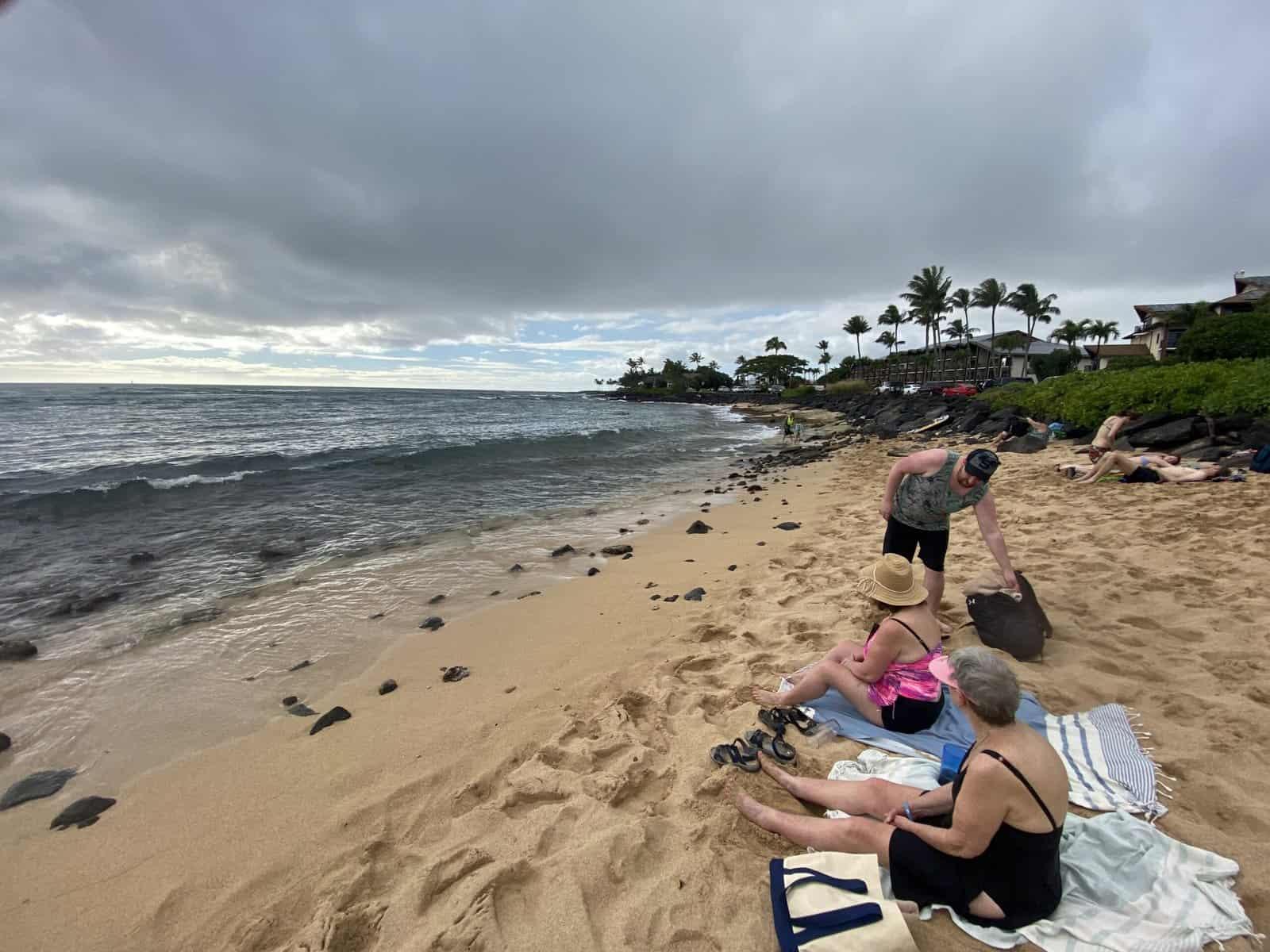
Most of our itinerary for Kauai involved visiting beautiful outdoor places like waterfalls, canyons and beaches. With weather in the mid 20s (that’s 77 Fahrenheit), we ate almost all of our meals outside too. In fact, the only indoors thing we really did was visit Target!
Since we planned to be in our own group and outside most of the time, our trip felt relatively safe. In fact, we were probably more in danger at home where my husband works at a hospital and his mom works at a grocery store, than we were in Kauai.
8. Kauai was doing (relatively) well with COVID
It was important to us that Kauai was doing well with COVID (or as well as an island can do during a global pandemic) so that we weren’t putting ourselves in danger, endangering locals or ruining our trip. The last thing we’d want to do is contribute to an overwhelmed healthcare system, go against the wishes of the local community, or spend our entire trip in lockdown or quarantine.
While Kauai’s numbers did surge during Omicron, we felt comfortable with the risk and overall low case counts.
9. We needed a break!
Selfishly, we travelled to Hawaii during the COVID-19 pandemic because we just needed a break. As I mentioned above, travel is a privilege and we were so lucky to be able to make this choice in as safe a way as possible. After weighing all of the reasons above, we decided to go ahead with our trip. And one of the big factors pushing us to say yes was how bad we wanted to go. That’s why most people book trips, right?
If COVID has taught us anything, it’s that life is short and the memories you make with the people you love matter. Being able to travel and make memories with my family was important to me, and I’m glad we could make it happen.
Before our trip, it had been a long time of being stuck at home (besides our October honeymoon, of course!). Add to that more restrictions and frigid winter temperatures in Vancouver, and it only made sense that we’d want a chance to break out. We were so looking forward to stamping our passports again, feeling some sun in the middle of a long winter, and maybe, for a moment, not letting COVID completely depress us.
What was the COVID situation in Hawaii?
We were so relieved to see that Hawaii was taking COVID very seriously. Everywhere we went, people were really great about masking and keeping their distance. Everyone respected the rules and safety protocols were always in place. As I mentioned above, we really did feel safer in Kauai than we did back home in Vancouver.
What happens if someone tests positive for COVID while travelling internationally?
Well, it’s funny you should ask! One of our travel companions actually did end up testing positive on their PCR test on our way back to Canada. As per the rules, they would have to wait 10 days before they could return to Canada.
Luckily, this person was not symptomatic and not contagious. After their PCR result, we had them do a rapid test, which came back negative. We suspect that the positive PCR was a result of a previous infection that they picked up well before Hawaii. Luckily, the rest of us were negative on our LAMP and rapid tests.
Since they weren’t actively sick, we didn’t have to worry about any health concerns. But we did have to make some last minute travel arrangements. I won’t lie – this part of international travel during COVID was very stressful! But I was relieved that we had time on our side, knew the rules and had insurance in place to pick up most of the tab.
We immediately got to work changing their flights and booking them into a new hotel room (which was no easy feat on an expensive and booked up island like Kauai). Once they were settled, they only had to quarantine for a few days (as per Kauai’s rules) before they could freely enjoy the rest of their impromptu extended vacation. An extra 10 days in Hawaii? That’s really not so bad!
Of course, we were very lucky that in our case this person was not actively sick, had the resources to quarantine and extend their stay, and basically ended up with an extra week or so of vacation. That’s not the case in every country or with every case of COVID. As I said above, make sure you know all the rules and ensure you’re comfortable with what you’ll do in the worst case scenario.
Tips for international travel during the COVID-19 pandemic
Want to travel abroad during COVID? Here are some things to keep in mind:
- Know the rules and accept that they might change. Find out what you need to know in order to travel (testing, quarantine, etc.) and check that the information you have is up to date in the days and weeks leading up to your trip.
- Figure out where you will test and/or quarantine (if needed). Research all of your options and book or purchase ahead of time. I highly recommend the at-home tests if you’re able to get them for added peace of mind. And, of course, have a plan B should your initial plan not work out (like when one of our tests malfunctioned!).
- Consider getting travel insurance. It gave me such peace of mind to know that not only were our medical expenses covered but that we would have most of our quarantine expenses covered too. With or without insurance, make sure you have the money and time needed should you get sick or stuck while abroad.
- Be flexible. Rules and restrictions are changing fast. Keep your plans loose or refundable and always have a back up plan.
- Be respectful. We should always be respectful when we travel but now more than ever, it’s important to respect everyone’s wants and needs. Realize that not everyone has the same comfort level with COVID-safety measures as you might.
- Don’t take it for granted! If you are lucky enough to be able to travel internationally during COVID, don’t take your privilege for granted. Soak up every minute of your trip and have the best (and most safe) time!
Would you travel internationally during the COVID-19 pandemic?
Share my tips for travel during COVID – Pin it!